
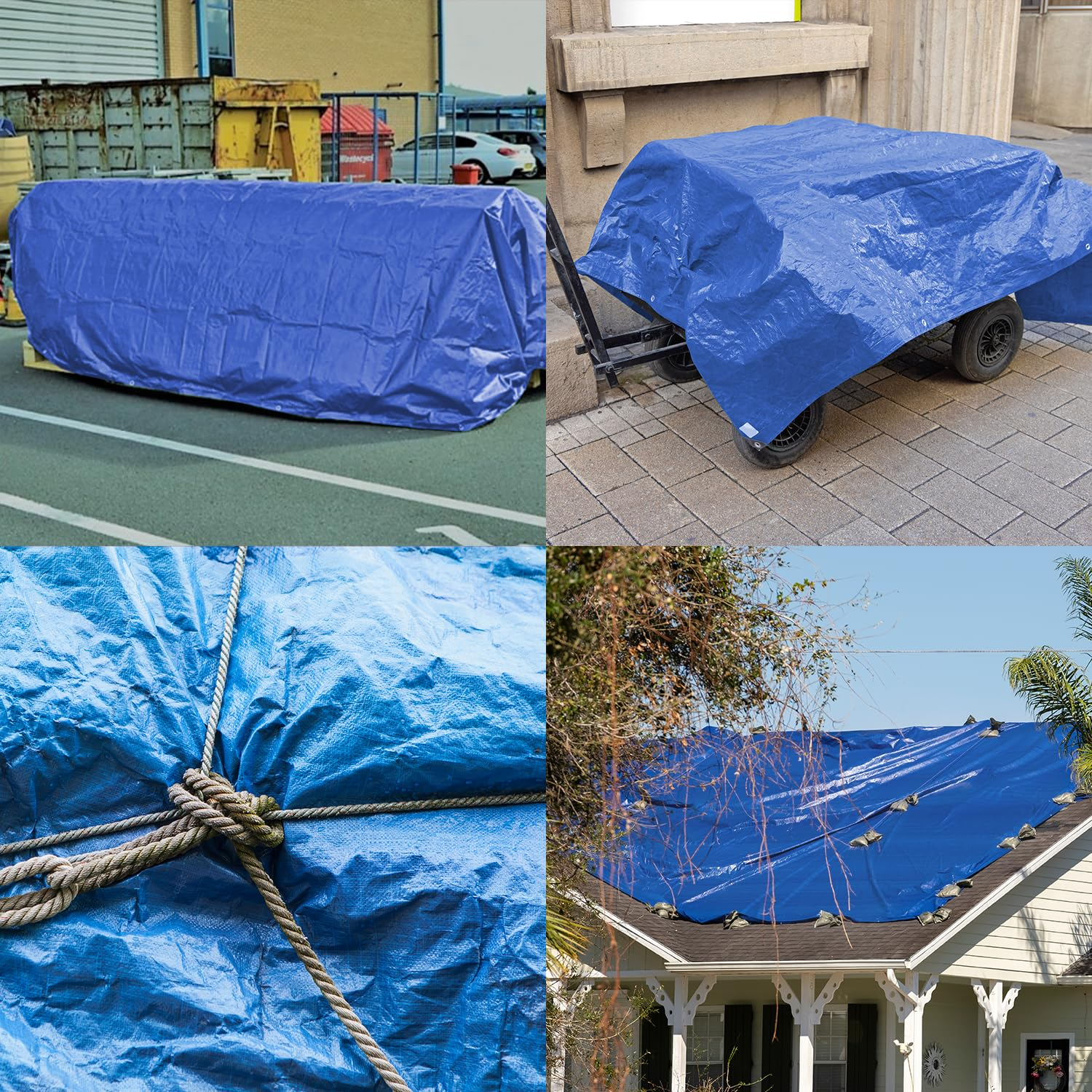
Dubai’s oil and gas sector operates in some of the most demanding industrial environments in the world. Extreme temperatures, corrosive conditions, blowing sand, offshore exposure, heavy equipment operations, and strict safety requirements all create serious challenges for protecting assets, equipment, and personnel.
In this environment, tarpaulin covers play a far larger role than many realize.
They are not simply protective sheets — they serve as industrial shielding systems, containment barriers, weather protection solutions, safety tools, and temporary infrastructure.
From onshore drilling support yards to offshore platforms, refineries, logistics bases, and pipeline projects, heavy-duty industrial tarpaulin has become essential.
This guide explores how tarpaulin covers are used across Dubai’s oil and gas industry, why specialized materials matter, and what makes industrial-grade tarpaulins suitable for this sector.
Why Tarpaulin Covers Matter in Oil & Gas Operations
Oil and gas operations involve protecting:
- Sensitive equipment
- Heavy machinery
- Pipe stock and valves
- Hazardous materials
- Temporary work zones
- Personnel shelters
- Offshore assets
- Maintenance areas
Exposure risks include:
- UV degradation
- Salt corrosion
- Wind and sand abrasion
- Rain and moisture
- Heat stress
- Fire risk in certain zones
Industrial tarpaulin often provides a practical first layer of defense.
Why Dubai Conditions Increase the Need for Specialized Covers
The UAE environment creates unique demands.
Challenges include:
Extreme Heat
Summer temperatures can exceed 45°C.
Ordinary materials can crack, warp, or degrade.
Industrial tarpaulin used in oil and gas often requires high thermal tolerance.
Sand and Dust Exposure
Fine sand penetrates machinery, damages components, and accelerates wear.
Protective covers help reduce contamination.
UV Radiation
Constant sun exposure destroys low-grade materials.
UV-stabilized industrial tarps are critical.
Offshore Corrosion Conditions
Marine salt exposure creates additional material performance requirements.
Not all tarpaulin systems can handle this.
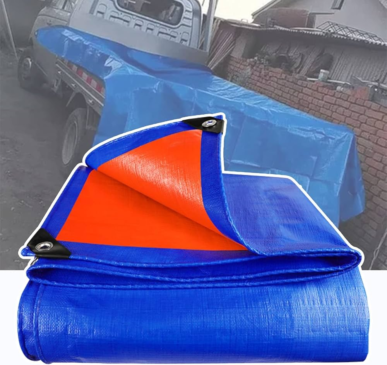
Common Uses of Tarpaulin in Oil & Gas Operations
1. Equipment Protection Covers
One of the most common uses.
Heavy-duty tarpaulins protect:
- Pumps
- Compressors
- Generators
- Valves
- Motors
- Drilling support equipment
Protection from:
- Dust intrusion
- Moisture
- UV exposure
- Corrosion risks
Especially valuable during storage or shutdown periods.
2. Pipe and Material Storage Covers
Pipe yards often use industrial tarpaulins to protect:
- Steel pipes
- Fittings
- Coatings
- Insulation materials
- Welding supplies
Protection helps preserve material integrity.
Critical for project reliability.
3. Scaffold Sheeting and Work Enclosures
Very common in maintenance shutdowns and turnaround projects.
Tarpaulin helps create temporary enclosures for:
- Scaffolding
- Maintenance zones
- Sandblasting containment
- Painting works
- Equipment servicing
Benefits include:
- Dust control
- Weather protection
- Controlled work environments
Extremely important in industrial maintenance.
4. Temporary Shelters and Workforce Shade
In desert operations, worker protection matters.
Tarpaulin structures support:
- Shade stations
- Rest shelters
- Temporary field offices
- Tool stations
Heat exposure management is a major concern.
Tarps support operational safety.
5. Offshore Weather Protection
Offshore platforms often use specialized tarpaulin systems for:
- Equipment shielding
- Maintenance enclosures
- Temporary weather barriers
The Offshore conditions demand high-performance materials due to:
- Salt spray
- Wind exposure
- Moisture
- Corrosion
Ordinary covers often fail quickly.
6. Cargo and Transport Protection
Oil and gas logistics rely heavily on transport covers.
Tarpaulin protects:
- Cargo loads
- Industrial equipment
- Sensitive components
- Pipeline materials
Especially during:
- Truck transport
- Port handling
- Yard storage
Protection during logistics reduces costly damage.
Types of Tarpaulin Used in Oil & Gas
Not all tarpaulin is suitable for industrial energy environments.
Common materials include:
PVC-Coated Tarpaulin
Very common in oil and gas.
Benefits:
- Waterproof
- UV resistant
- Tear resistant
- Chemical resistant
- Durable
Excellent industrial choice.
Flame-Retardant Tarpaulin
Critical in many oil and gas environments.
Used in:
- Hot work zones
- Welding areas
- Fire-sensitive sites
Often required for compliance.
Very important.
HDPE Industrial Tarpaulin
Useful for:
- Scaffolding
- Shade applications
- General industrial covers
Lightweight but durable.
Specialized Chemical-Resistant Fabrics
Used where chemical exposure is a concern.
Particularly relevant in processing facilities.
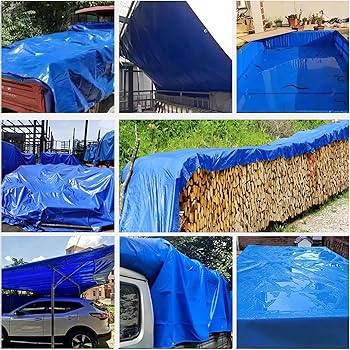
Why Fire-Retardant Tarpaulin Matters in Oil & Gas
This deserves special attention.
In environments involving:
- Hydrocarbons
- Welding
- Heat sources
- Flammable materials
Standard tarpaulin may be unsuitable.
Fire-retardant tarpaulin can support:
- Safety protocols
- Risk reduction
- Compliance requirements
Often essential rather than optional.
Tarpaulin in Turnaround and Shutdown Projects
During plant maintenance shutdowns, tarpaulins are widely used.
Applications include:
Work Zone Enclosures
Contain debris and improve control.
Equipment Isolation Covers
Protect nearby assets during maintenance.
Blast and Paint Containment
Important for environmental and safety control.
Turnaround operations rely heavily on temporary industrial containment systems.
Tarpaulin is central to many of them.
Protection Against Sand Intrusion
A major challenge in Gulf operations.
Blowing dust can affect:
- Valves
- Electrical systems
- Rotating equipment
- Instrumentation
Tarpaulin helps reduce contamination risk.
Often overlooked. Very important.
Temporary Industrial Infrastructure Applications
The Tarpaulin often supports structures such as:
- Temporary roofing
- Weather barriers
- Partition walls
- Equipment shelters
- Emergency covers
In many cases it functions as part of temporary industrial infrastructure.
Not just a cover.
Features Required for Oil & Gas Tarpaulin
Industrial-grade tarps for this sector often require:
High GSM Construction
Heavy-duty strength.
Often 400+ GSM or more.
UV Stabilization
Critical in Gulf climate.
Tear Resistance
For wind and industrial use.
Flame Retardancy
Often essential.
Chemical Resistance
Important in some environments.
Reinforced Eyelets and Seams
Failure often begins at edges.
Construction quality matters.
Offshore vs Onshore Tarpaulin Requirements
Onshore Needs
Focus on:
- Heat
- Dust
- UV
- Wind
Offshore Needs
Additional demands:
- Salt corrosion
- Marine weather
- Moisture resistance
Different environments may require very different materials.
Compliance and Safety Considerations
Oil and gas is heavily regulated.
Tarpaulin selection may intersect with:
- Fire safety requirements
- Site safety rules
- Containment standards
- Material specifications
Low-grade products may create risks.
Always match site requirements.
How Tarpaulin Supports Cost Efficiency
Protective covers help reduce:
- Equipment damage
- Corrosion risks
- Material losses
- Maintenance costs
- Downtime
Often a relatively small investment protecting high-value assets.
Strong ROI.
Common Mistakes to Avoid
Using General-Purpose Tarps
Industrial environments need industrial materials.
Ignoring Fire Ratings
Critical error in many applications.
Choosing Based on Price Alone
Cheap tarps often fail under harsh conditions.
Underestimating UV Exposure
Very common mistake in Gulf climates.
Poor Installation
Even quality tarps fail when improperly secured.
Emerging Innovations in Industrial Tarpaulin
Modern systems include:
Heat-Reflective Coatings
Reduce thermal loads.
Advanced Fire-Resistant Fabrics
Improved protection.
Smart Industrial Covers
Some specialized covers include enhanced industrial performance layers.
Technology continues improving even simple protective systems.
Choosing a Tarpaulin Supplier for Oil & Gas Projects
Look for suppliers offering:
- Industrial-grade specifications
- Fire-retardant options
- UV-certified materials
- Custom fabrication
- Heavy-duty reinforced construction
- Industry experience
For oil and gas, supplier expertise matters.
A lot.
Final Thoughts
Tarpaulin covers play a vital role in Dubai’s oil and gas industry — far beyond simple covering solutions.
They help protect:
- Equipment
- Materials
- Personnel
- Maintenance operations
- Temporary infrastructure
From dust control and weather protection to fire-sensitive applications and offshore shielding, the right industrial tarpaulin supports safety, compliance, and operational efficiency.
In demanding energy environments, choosing the right tarpaulin isn’t minor.
It’s part of industrial risk management.
And in oil and gas, that matters.
FAQs
1. Why are tarpaulin covers used in oil and gas operations?
They protect equipment, materials, work zones, and personnel from weather, dust, UV exposure, and operational hazards.
2. What type of tarpaulin is used in oil and gas projects?
Heavy-duty PVC, flame-retardant tarpaulins, HDPE covers, and specialized chemical-resistant materials are commonly used.
3. Are fire-retardant tarpaulins important in oil and gas?
Yes. In many environments involving heat or flammable risks, fire-retardant tarpaulins may be essential or required.
4. Can tarpaulin be used offshore?
Yes. Specialized marine-grade tarpaulins are used offshore for weather protection, maintenance enclosures, and equipment shielding.
5. How does tarpaulin help in harsh Dubai conditions?
It provides UV protection, dust shielding, heat resistance, and helps reduce wear on equipment and materials.
6. What should be considered when choosing industrial tarpaulin?
Important factors include GSM, UV resistance, fire ratings, chemical resistance, reinforcement quality, and suitability for the specific application.